
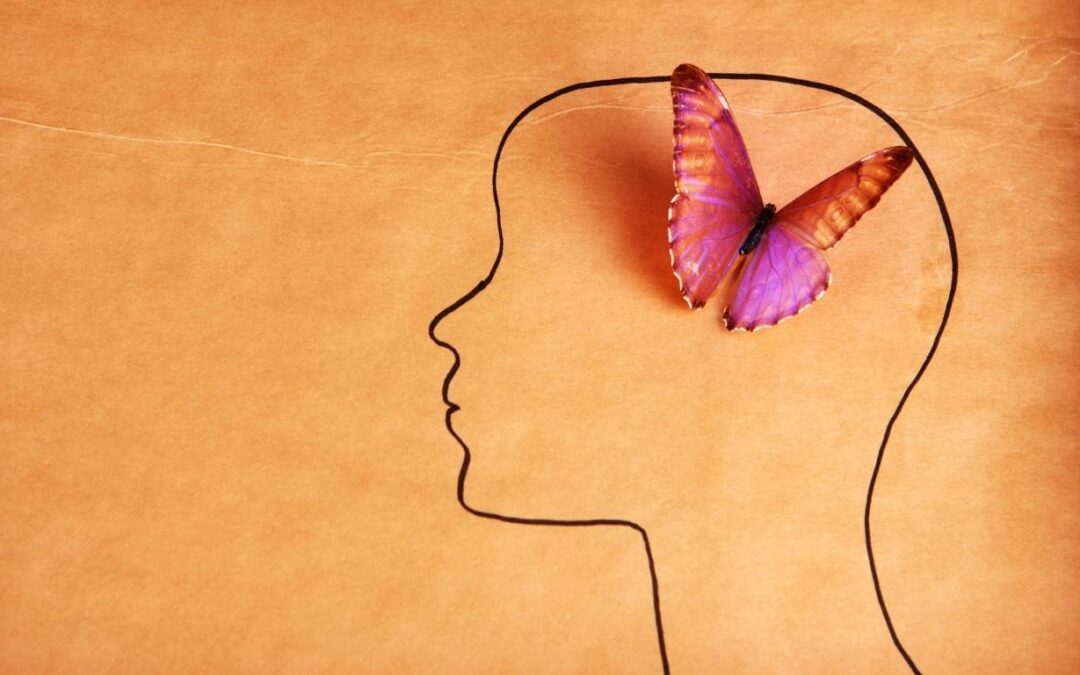
As a nurse anesthetist, I’ve often seen patients in distress because of fear and worry about going through surgery and anesthesia. Medications for anxiety can help, but these medications can have negative side effects, and on the day of surgery usually can’t be given until right before the patient is going back to the operating room.
Relaxation techniques are the preferred alternative to anti-anxiety medication for preoperative anxiety, and one of the most powerful of these is guided imagery.
What Is Guided Imagery?
Guided imagery is the practice of using your imagination to create calming or healing visions and images. Think of it as intentional daydreaming. When you picture yourself in a peaceful meadow or walking along the beach at sunset, your mind and body respond as if these images are real.
Neuroscience shows that mental imagery activates many of the same pathways as lived experience. This is why guided imagery has become a powerful tool in integrative health, especially before and after surgery.
Why It Matters Before Surgery
Facing surgery often brings fear and uncertainty. Stress hormones surge, raising heart rate, elevating blood pressure, and causing muscle tension. Guided imagery interrupts this response.
Studies show that patients who use guided imagery before surgery often experience less anxiety, need fewer sedatives, require less pain medication, and sometimes recover more quickly with fewer complications.
How It Works
Guided imagery activates the parasympathetic nervous system — the “rest and digest” state that lowers stress, improves relaxation, and supports healing. It also gives patients a sense of control at a time when surgery can feel overwhelming.
I’ve experienced this shift firsthand. Years ago, when recovering from minor knee surgery, I began feeling worried and distressed as my recovery was more difficult and took longer than I expected. Once I recognized this negativity, I began redirecting my thoughts towards visions of healing. I practiced guided imagery – imagining myself feeling strong and well, easily hiking on a beautiful mountain trail. It wasn’t long before these visions became real.
Try This Simple Practice
You don’t need special training or tools to do guided imagery.
Find a quiet space and close your eyes. Take a few slow, deep breaths. Imagine yourself in a place that feels safe and calming. Notice the details all around you – colors, sounds, and textures. If you’re preparing for surgery, imagine your body strong and steady – all the systems of your body working towards the goal of health and healing.
Your body will follow where your imagination leads.
If You’d Like to Learn More
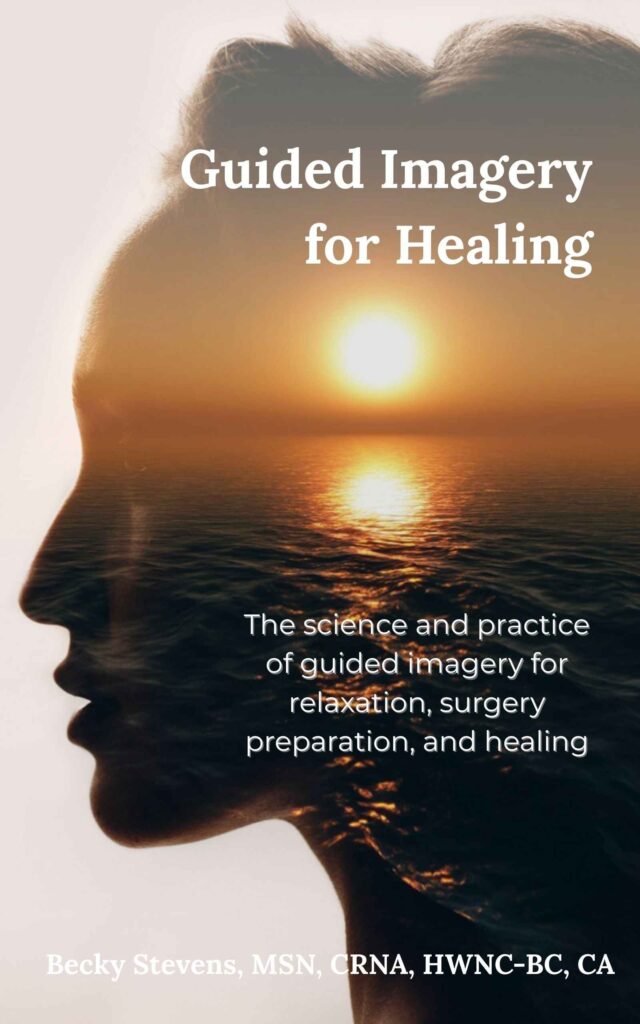
I’m excited to announce that I’ve written a book about guided imagery!
Guided Imagery for Healing is a brief but thorough guide to using guided imagery. The book offers step-by-step practices, ready-to-use scripts, and personalized tools to help you reduce anxiety, support your body’s natural healing, and improve recovery from surgery, illness, or injury. I’ve included practical scripts for relaxation and healing, preparing for surgery, and reducing fear during medical procedures. It also provides worksheets to help you create your own imagery, daily practice guides, and a healing plan.
The book is available on both Amazon (ebook and paperback) and Barnes and Noble (paperback). If you do decide to purchase it, please drop me a line and let me know what you think!
I bet that once you’ve learned the power of guided imagery, you’ll find yourself using it regularly. I can see it now!